Mobile Bar vs Traditional Catering Bar: The Differences That Matter
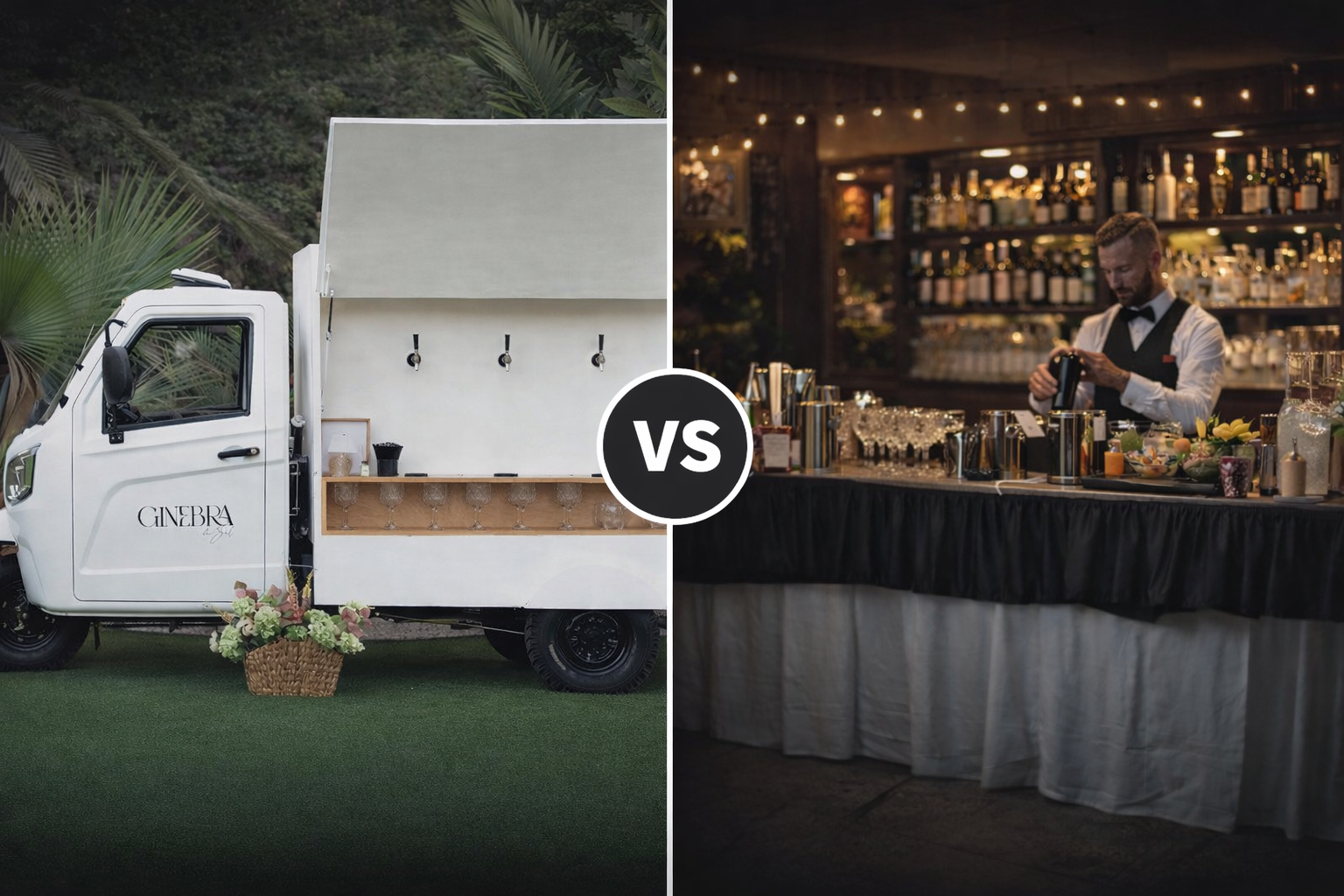
When planning a wedding or private event, couples often assume that all bar services operate the same way. In reality, there is a significant difference between a mobile bar experience and a traditional catering bar.
The difference is not about alcohol quality. It is about logistics, timing, guest flow, and aesthetic control.
Understanding these distinctions helps hosts make decisions that protect the tone and structure of their event.
1. Logistics: System vs Add-On
A traditional catering bar is typically structured as an extension of food service. It is often:
Managed by the catering team
Designed around meal timing
Positioned for operational convenience
In many cases, the bar is treated as a functional necessity rather than a designed element.
A mobile bar experience, by contrast, is structured as an independent service system. It includes:
Pre-event coordination specific to bar placement
Dedicated bar staff
Separate logistical planning for setup, service, and breakdown
Equipment designed to adapt to private venues and nontraditional layouts
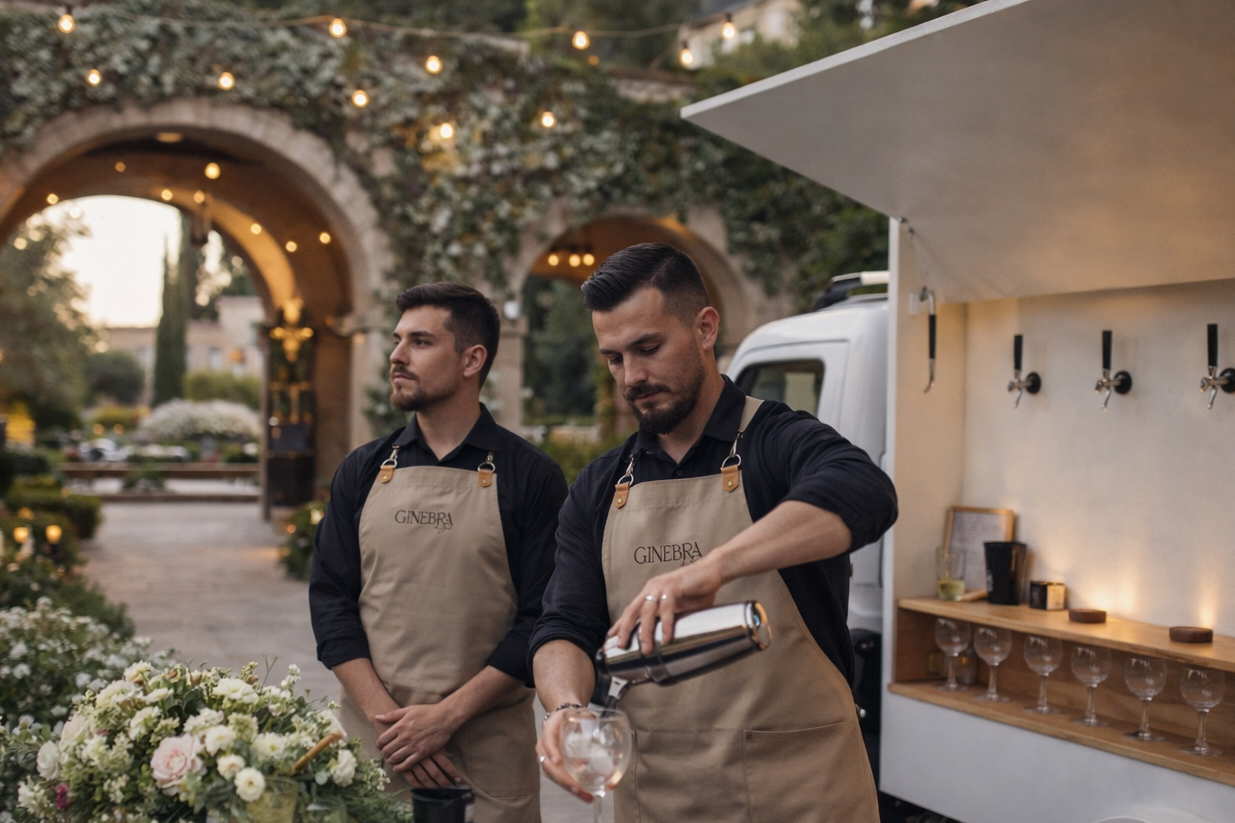
This structural separation allows greater control over how the bar integrates into the overall event environment.
The logistical difference is foundational. One is an add-on. The other is a system.
2. Timing: Reactive vs Structured Service
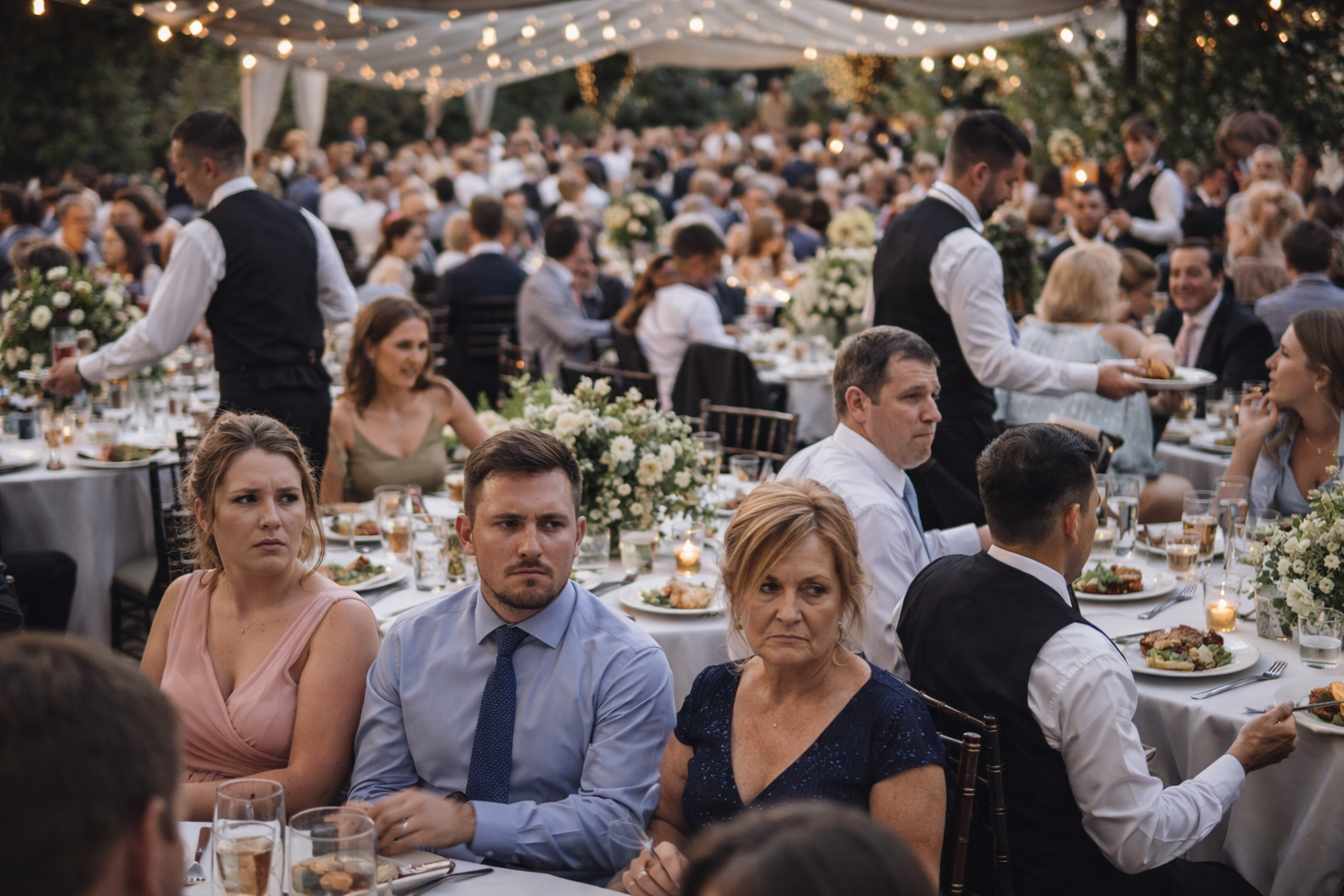
In catering-led models, bar timing often follows the rhythm of food service. This can create moments where:
The bar becomes overwhelmed during transitions
Staffing is stretched during peak periods
Guest demand is reactive rather than anticipated
Mobile bar experiences are designed with timing as a primary variable. Service is planned around:
Ceremony-to-reception transitions
Cocktail hour pacing
Peak guest movement windows
Late-evening shifts in energy
This allows the bar to support the event’s emotional rhythm rather than chase it.
Timing is not simply about speed. It is about predictability and control.
3. Guest Flow: Congestion vs Circulation
Guest flow is one of the most overlooked elements of event planning.
Traditional catering bars are frequently positioned based on kitchen proximity or convenience for staff. This can unintentionally create:
Bottlenecks
Line formation in high-traffic areas
Disruption near entrances or dance floors
A mobile bar model evaluates guest circulation intentionally. Placement considers:
Sightlines
Room layout
Natural conversation clusters
Access without obstruction
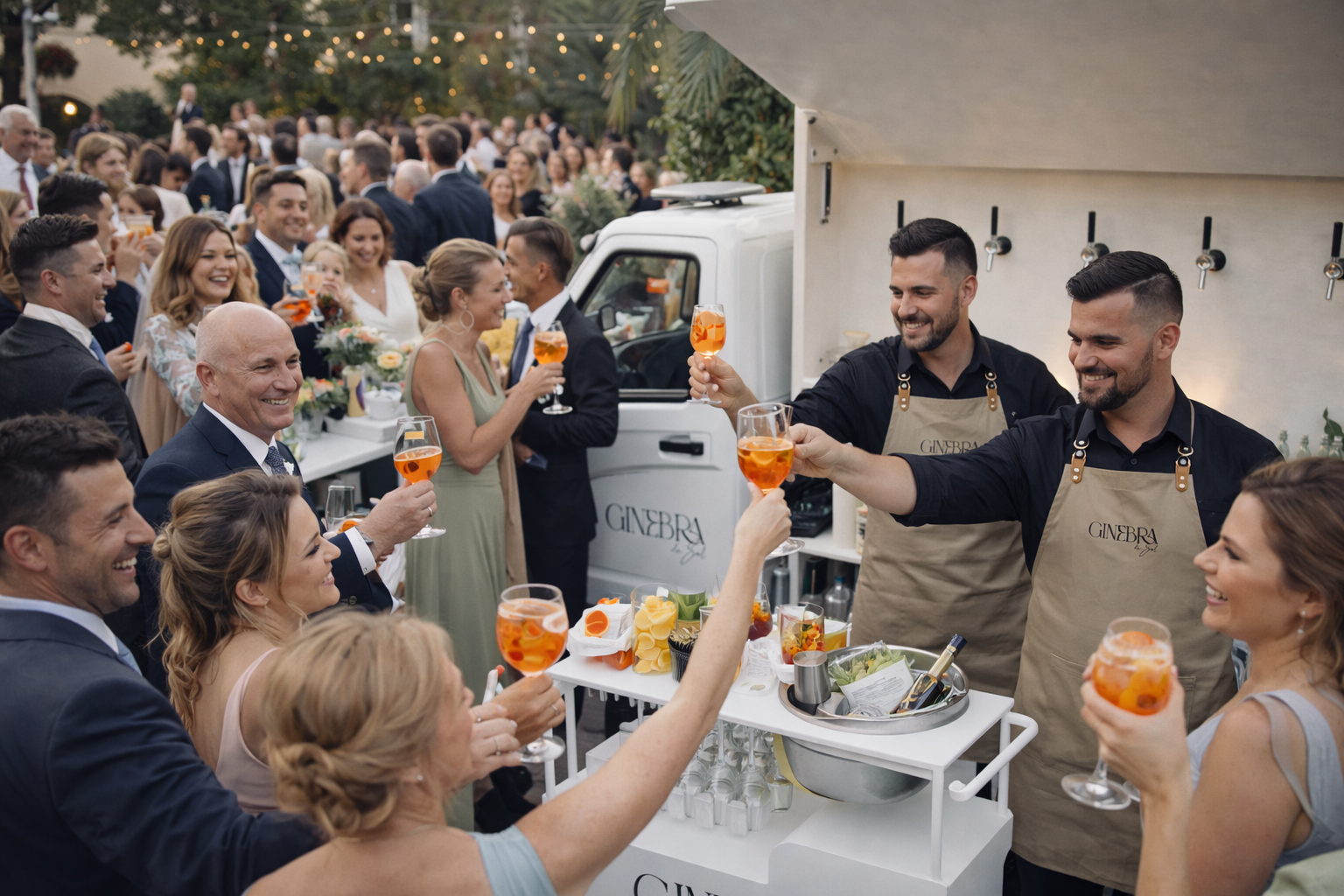
In intimate weddings especially, flow directly impacts comfort. When guests wait in visible lines or navigate around congestion, intimacy decreases.
When flow is properly designed, guests move naturally and interactions remain uninterrupted.
4. Aesthetic Control: Utility vs Integration

Catering bars often rely on:
Standard folding tables
Neutral linens
Temporary backbars
Functional setups
While practical, these solutions may not align with the visual tone of a private estate, boutique villa, or carefully designed reception.
Mobile bar experiences prioritize aesthetic integration. This includes:
Bar structures designed to complement architecture
Controlled visual footprint
Minimal clutter
Consistent design language
In smaller or private venues, aesthetic imbalance becomes immediately visible. A bar that competes with the setting distracts from the atmosphere.
A well-designed mobile bar supports the space without dominating it.
Which Model Works Best?
Both models can function effectively in certain contexts.
Traditional catering bars may work well for:
Large ballroom weddings
High-volume guest lists
Standardized venues
Mobile bar experiences are often better suited for:
Intimate weddings
Private homes and estates
Design-focused receptions
Hosts prioritizing emotional tone and flow
The distinction is not about superiority. It is about alignment.
When the goal is structure, integration, and controlled guest experience, the model matters.
Final Perspective
The bar is not simply where drinks are served. It is a physical and operational element that influences movement, timing, and atmosphere.
Traditional catering bars prioritize operational efficiency within a food-driven structure.
Mobile bar experiences prioritize environmental integration and guest flow within a service-driven structure.
At weddings and private events, those differences shape how the night unfolds.
And in environments where tone and comfort matter, those differences become significant.
-
A traditional catering bar is typically managed as part of the catering team’s food service structure. A mobile bar operates as a dedicated service system with independent planning, staffing, and setup designed specifically around the bar experience.
The difference is structural rather than cosmetic.
-
Neither model is universally better. The appropriate choice depends on the event environment.
Mobile bars are often better suited for:
Intimate weddings
Private estates and villas
Design-focused receptions
Events where guest flow and aesthetic integration are priorities
Catering bars may be sufficient in standardized venues or large ballroom settings where logistics are centralized.
-
Bar placement directly influences movement, congestion, and conversation dynamics.
When positioned primarily for kitchen convenience, a bar may create:
Lines near entrances
Congestion around high-traffic areas
Disruption near the dance floor
When positioned intentionally for guest circulation, a bar supports natural movement and reduces visible crowding.
-
Wedding events follow emotional transitions: ceremony, cocktail hour, dinner, dancing.
If bar service is reactive instead of structured, peak moments can become congested or delayed.
Well-planned timing anticipates:
Guest arrival surges
Post-ceremony transitions
High-demand periods
This preserves comfort and predictability throughout the evening.
-
Mobile bars are often designed as self-contained structures that integrate visually with private venues.
This allows:
Controlled visual footprint
Consistent design language
Reduced reliance on temporary tables or improvised setups
Traditional catering bars often prioritize operational efficiency over aesthetic alignment.
-
Drink quality depends on staffing and ingredient selection, not necessarily the service model.
However, a structured mobile bar system may improve consistency because it focuses exclusively on beverage execution rather than balancing food and drink operations simultaneously
-
Costs vary based on scope, guest count, and service level.
Mobile bars often involve:
Dedicated staffing
Custom equipment
Independent logistical planning
This can affect pricing. However, pricing differences typically reflect structure and specialization rather than alcohol cost alone.
-
A catering bar may be appropriate when:
The venue is a ballroom with integrated catering operations
Guest counts are high and standardized
Aesthetic customization is not a primary concern
In these cases, logistical efficiency may outweigh design flexibility.
-
Private homes, estates, and boutique properties often have architectural character.
A bar that clashes visually can:
Disrupt sightlines
Compete with décor
Alter the intended atmosphere
Aesthetically integrated setups preserve tone and visual continuity.
-
Hosts should evaluate:
Venue type
Guest count
Desired emotional tone
Importance of aesthetic integration
Level of logistical control required
The decision should align with how much structure and environmental integration the event requires.